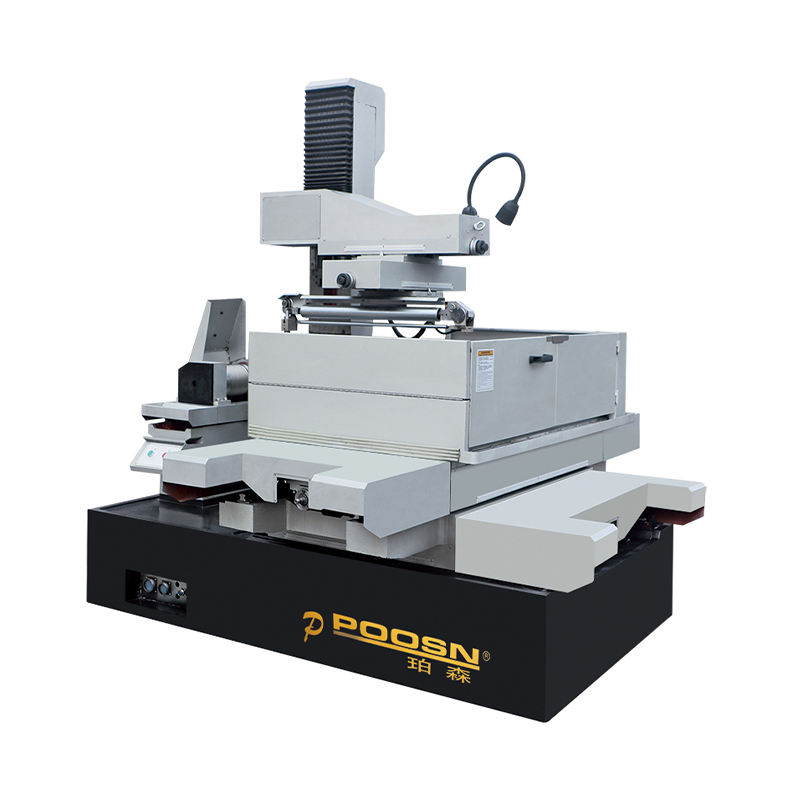
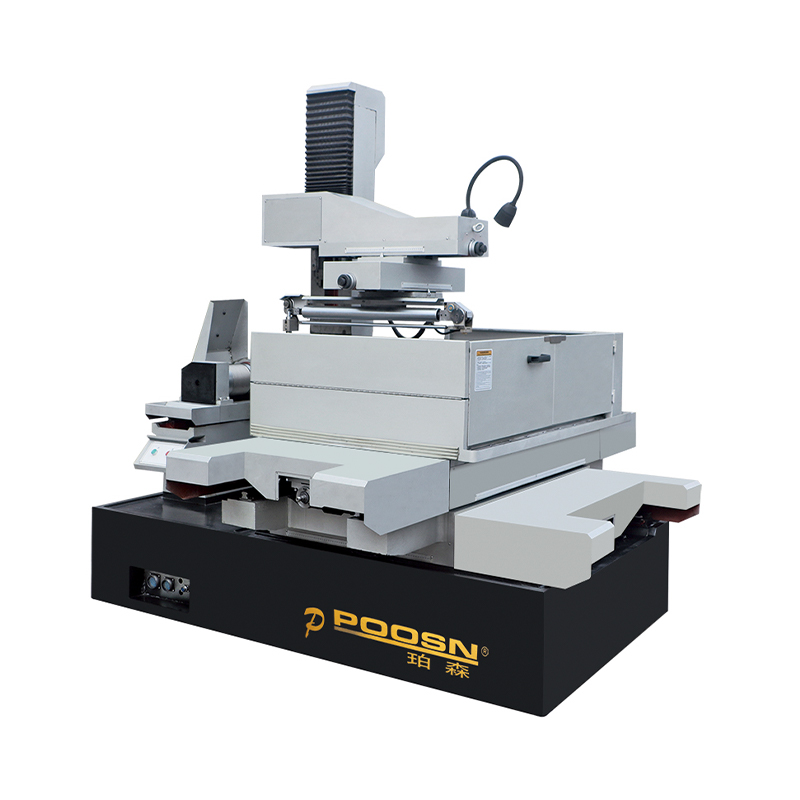
DKD 大型テーパ WEDM が精密加工における画期的な理由は何ですか?
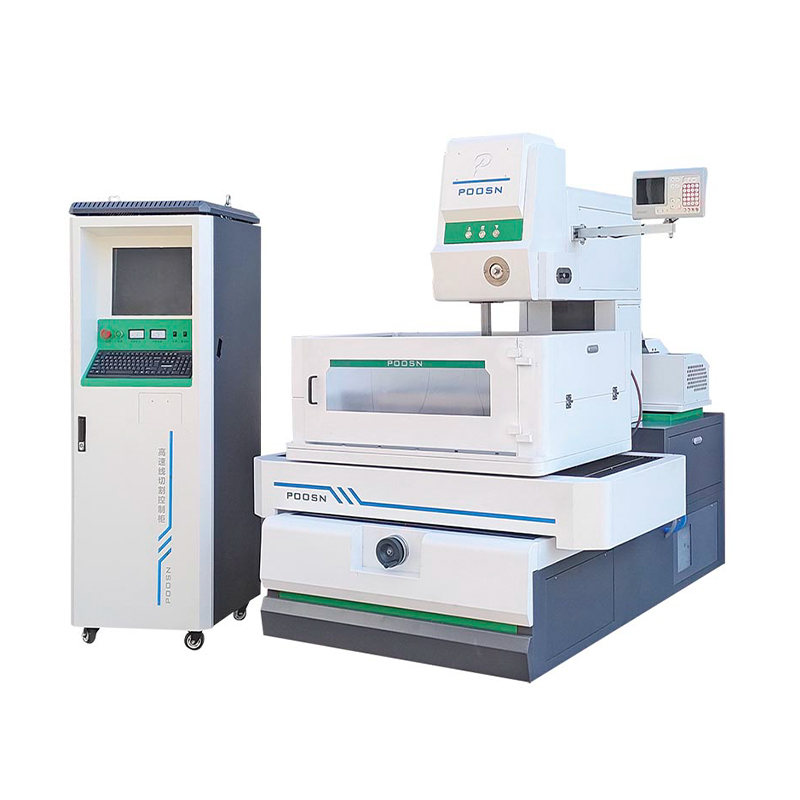
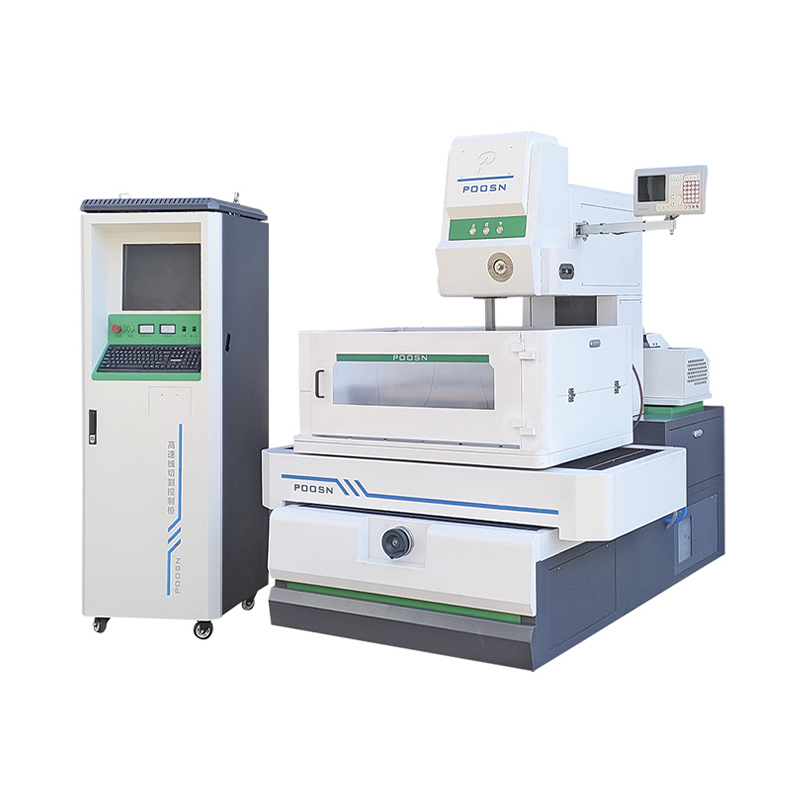
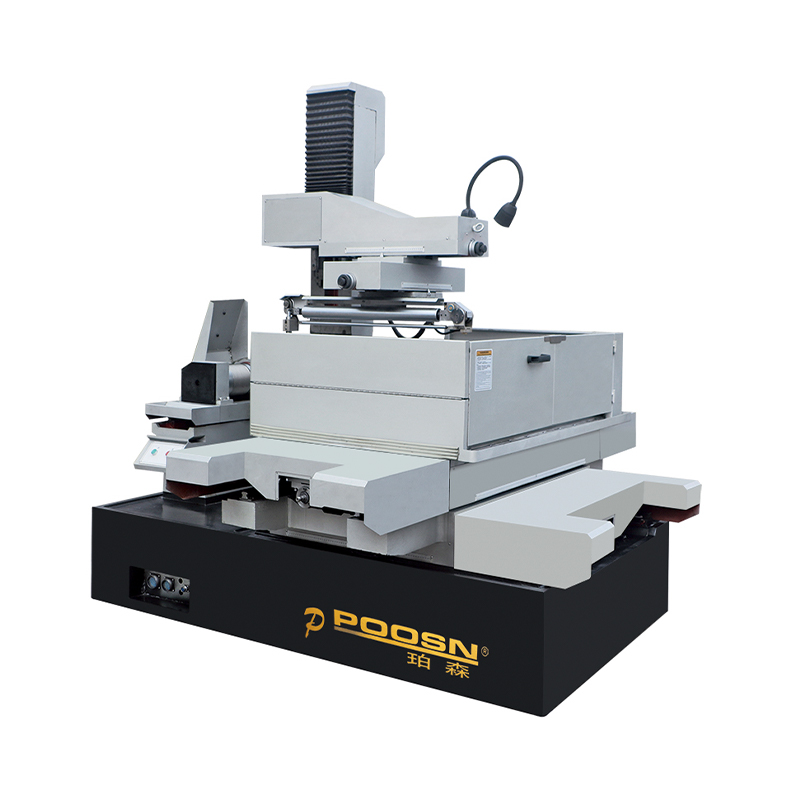
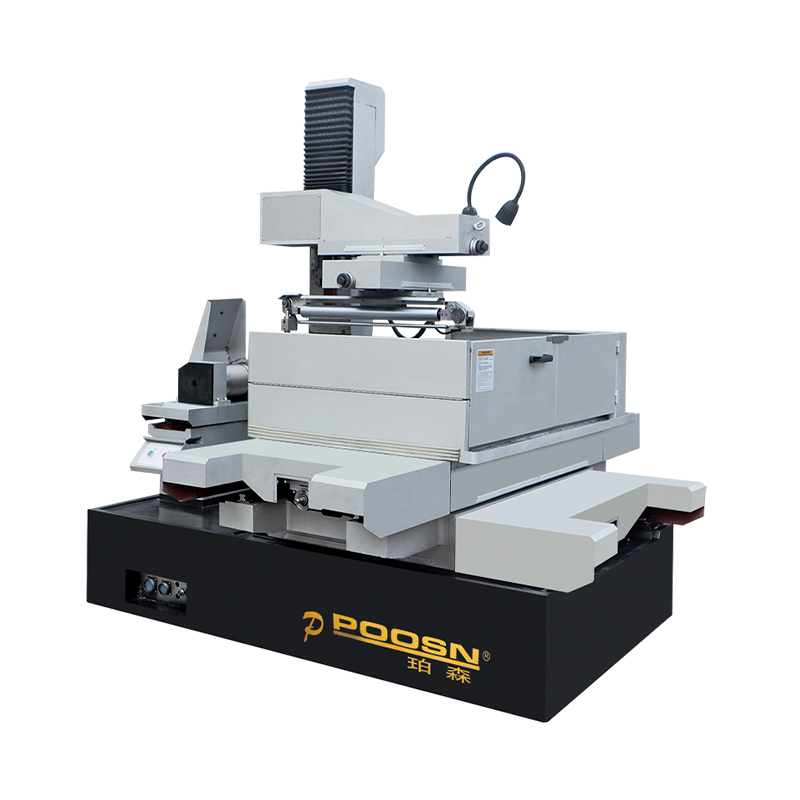
の DKD 大径テーパーワイヤ放電加工機 は、ワイヤ放電加工が 1 回のセットアップで達成できる内容を根本的に拡張するため、精密加工における画期的な製品です。 高さ500mmを超えるワークでも最大±45°のテーパ角を実現し、3,000kgを超えるワークロードでも位置精度を±0.003mm以内に維持し、適応放電制御により断線を最大60%削減します。 — 従来の WEDM マシンが同時に複製できない機能。航空宇宙、重金型の製造、押出工具、大型金型の製造に取り組むメーカーにとって、この機械は既存のソリューションを単に改良するだけではありません。これにより、寸法の完全性や表面品質を損なうことなく、これまで不可能だった形状やワークスケールの製造が可能になります。
の significance of this cannot be overstated. Precision machining has long faced a fundamental tradeoff: the larger and more geometrically complex a workpiece, the harder it becomes to hold micron-level tolerances. WEDM technology has historically been limited to smaller, thinner workpieces with modest taper requirements. The DKD machine breaks this tradeoff by engineering every subsystem — the machine base, the UV-axis wire guide, the flushing circuit, the pulse generator, and the CNC control — around the specific demands of large, high-taper precision cutting. The result is a machine that delivers fine-wire-EDM-class accuracy at a scale previously associated with much cruder cutting methods.
この記事では、DKD ラージ カッティング テーパ WEDM を真のエンジニアリング上の進歩にする技術的および実用的な側面をそれぞれ検討します。機械の構造設計、テーパー切断システム、制御インテリジェンス、フラッシング技術、ワイヤ管理、アプリケーションの適合性、総所有コストを、具体的なデータと生産例とともに網羅しています。
の Core Problem: Why Large-Taper WEDM Has Always Been Difficult
DKD マシンが何を達成したかを評価するには、ラージテーパー WEDM を長い間困難にしてきたエンジニアリング上の課題を理解する価値があります。ワイヤ EDM は、細いワイヤ電極とワークピースの間で制御された放電を使用して導電性材料を侵食することによって機能します。ワイヤはワークピースに直接接触しません。ワイヤは誘電性流体で満たされた小さなギャップによって分離されており、材料の除去は、正確にタイミングを合わせた急速な電気パルスによって放出されるエネルギーによって行われます。
ワイヤーが完全に垂直に保持されている場合、このプロセスはよく理解されており、高度に制御可能です。放電ギャップはワイヤの長さに沿って均一で、フラッシングは対称的で、切断形状は予測可能です。しかし、ワイヤーを傾けてテーパーをカットすると、すべてが変わります。ギャップの形状は非対称になります。ワイヤの入口点と出口点は水平方向にオフセットされ、背の高いワークピースでは場合によっては数十ミリメートルずれます。傾斜したワイヤに沿った放電分布は不均一になります。傾斜した切断ゾーンに誘電性流体を均一に導くことができないため、フラッシング効果は急激に低下します。コンタリング作業中にテーパー角度が変化するとワイヤ経路の形状が変化するため、ワイヤの張力を維持するのが難しくなります。
高さ 100 mm のワークピースでは、15° テーパにより、ワイヤの入口と出口の間に約 27 mm の水平オフセットが作成されます。それは管理可能です。高さ 500mm、テーパー角度 30°のワークピースでは、水平オフセットは 290mm に近づきます。その規模になると、問題は劇的に複雑になります。ワイヤーは、それ自身の張力の非対称性によって曲がります。放電は均一に分布するのではなく、ワイヤの中間点に集中します。ノズルに加えられるフラッシング圧力は、カットゾーンの中心にかろうじて到達します。表面仕上げが劣化し、幾何学的精度が低下し、ワイヤの断線率が上昇します。
これが、ほとんどの WEDM メーカーがこれまで、テーパ機能を中程度の角度 (通常は ±3° ~ ±15°) と中程度のワーク高さに限定してきた理由です。標準的な機械でこれらの制限を超えると、寸法誤差、粗い表面仕上げ、頻繁なワイヤー切断、重要なコンポーネントの疲労性能を損なうほど厚い層の再カットなど、予測できない結果が生じます。 DKD ラージ カッティング テーパー WEDM は、漸進的な改善ではなく、ラージ テーパー切削の要件に合わせて機械を根本から再設計することで、これらの問題を解決するために特別に設計されました。
構造基盤: 機械ベースとフレームのエンジニアリング
精密加工は機械の構造基盤から始まります。機械フレーム内の振動、熱膨張、または機械的なたわみは、切断ワイヤの位置誤差に直接変換されます。重いワークピースの大きなテーパ切削の場合、これは特に重要です。フライス加工や研削に比べて絶対的に小さいとはいえ、切削抵抗が広い機械作動領域にわたって非対称に作用し、標準の鋳鉄フレームでは十分に抵抗できないモーメントが生じるからです。
の DKD machine uses a 花崗岩複合材機械ベース 従来の鋳鉄構造に比べて、いくつかの重要な利点があります。花崗岩複合材料は、鋳鉄よりも約 8 ~ 10 倍高い比減衰係数を持っています。つまり、作業場の床、近くの機械、または機械自体のサーボドライブからの振動は、構造を通して共振して完成部品の表面のうねりとして現れるよりも、はるかに早く吸収されます。
のrmal stability is equally important. Cast iron has a coefficient of thermal expansion of approximately 11 µm/m·°C. Over a 1,000mm machine axis, a temperature change of just 1°C produces an expansion of 11µm — more than three times the machine's stated positioning accuracy. Granite composite has a coefficient of thermal expansion of approximately 5–6 µm/m·°C, roughly half that of cast iron, which means thermal drift under typical workshop temperature fluctuations is proportionally reduced. The machine also incorporates thermal compensation algorithms in its CNC that monitor temperature at multiple points on the machine structure and apply real-time corrections to axis positions, further reducing the impact of thermal variation on part accuracy.
の column and bridge structure is designed with finite element analysis to optimize stiffness-to-weight ratio, ensuring that the UV-axis head — which must move to create taper angles — does not introduce detectable deflection at the wire guide even when positioned at maximum offset. The worktable itself is built with a ribbed construction that distributes workpiece weight across the full table surface, preventing localized deflection under heavy tooling plates or die blocks.
の combination of these structural choices means that a 2,500kg hardened steel die block sitting on the machine table produces no measurable distortion in the machine's geometry, and that long cutting programs running for 20 or 30 hours unattended do not accumulate positional drift as the workshop temperature cycles through day and night.
の UV-Axis Wire Guide System: How ±45° Taper Becomes Achievable
の taper cutting capability of any WEDM machine is determined by the design and precision of its UV-axis system — the mechanism that independently moves the upper wire guide relative to the lower wire guide to create a controlled wire inclination. In a standard WEDM machine, the UV-axis is a secondary system grafted onto a machine designed primarily for straight cutting. Its travel range is limited, its positioning accuracy is modest, and its ability to maintain consistent wire tension across the full taper range is compromised by the machine's primary design priorities.
の DKD machine treats the UV-axis as a primary design element of equal importance to the XY-axis. The upper wire guide assembly is mounted on a fully independent UV-axis with リニアモータードライブ U 軸と V 軸の両方で。リニアモーターはボールねじドライブのバックラッシュ、コンプライアンス、熱感度を排除し、0.1μm の位置決め分解能と 0.5μm を超える双方向再現性を実現します。これが重要なのは、テーパー角度が連続的に変化するコンタリング操作中、XY 軸がカーブやコーナーを通過する際に正しいワイヤーの傾きを維持するために、UV 軸が 1 秒あたり数百回の小さな位置補正を実行する必要があるためです。 UV 軸の応答に遅れや不正確性があると、テーパー角度の誤差が生じ、完成品の表面に幾何学的なずれとして現れます。
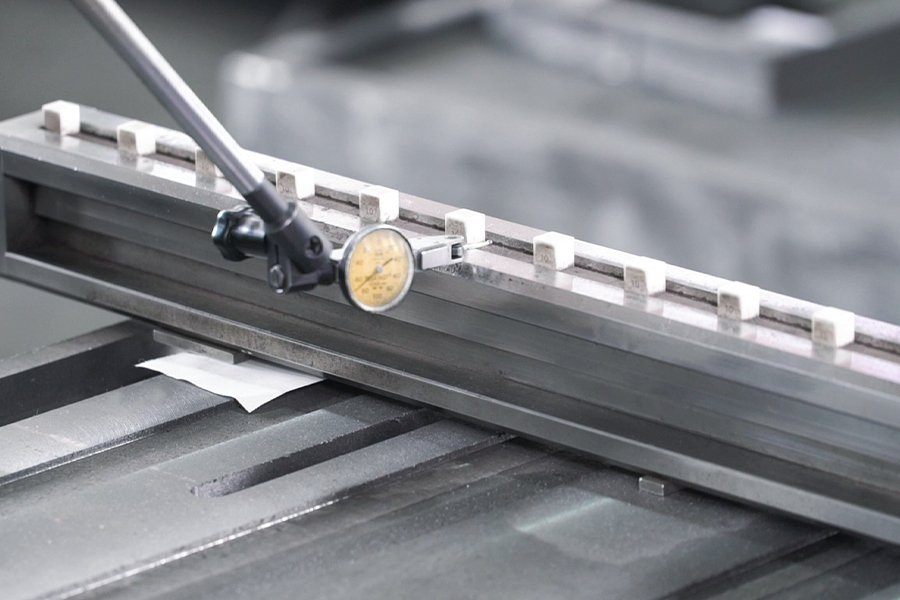
の wire guide design itself is another critical element. At large taper angles, the wire exits the lower guide at a steep inclination and enters the upper guide from a similarly steep angle on the opposite side. Standard round wire guides create concentrated contact stress on the wire at these extreme angles, causing wire fatigue and increasing breakage risk. The DKD machine uses diamond-coated wire guides with a contoured contact geometry that distributes contact stress along a longer arc of wire contact, reducing localized stress concentration and extending wire life by up to 40% at extreme taper angles compared to conventional guide designs.
の UV-axis travel range on the DKD machine is engineered to achieve ±45° taper on workpieces up to 500mm in height. On a 500mm workpiece, ±45° requires a UV-axis offset of ±500mm — a massive range that demands both a mechanically robust UV-axis structure and a CNC control capable of coordinating four-axis simultaneous motion (X, Y, U, V) with microsecond-level synchronization. The DKD control system handles this through a purpose-built motion interpolator that calculates UV-axis positions as a continuous function of XY-axis position and workpiece geometry, ensuring that the wire angle transitions smoothly through every segment of a complex contour without the angular discontinuities that would otherwise appear as surface defects at segment boundaries.
適応型パルス発生器: 変動する条件下でも放電の安定性を維持
の electrical discharge process is the heart of EDM, and its stability directly determines cutting speed, surface finish, and wire integrity. In large-taper cutting, maintaining discharge stability is significantly more challenging than in straight cutting because the gap geometry, flushing conditions, and wire tension all vary continuously as the wire angle changes. A pulse generator designed for stable straight cutting will produce erratic discharge in large-taper conditions, leading to arcing, wire breakage, and surface damage.
の DKD machine incorporates an 適応パルス発生器 従来の EDM パルス発生器とは根本的に異なる原理で動作します。固定パルス波形を供給し、特定の材料や形状に適したパラメータの選択をオペレータに依存するのではなく、適応型発電機は、数メガヘルツのサンプリング レートで放電ギャップの電圧、電流、およびタイミング特性を継続的に監視します。このリアルタイム データを使用して、個々の放電を生産的なスパーク、短絡、アーク、オープン ギャップのいずれかに分類し、パルスのタイミング、エネルギー、極性をパルスごとに調整して、有害なアーク放電現象を排除しながら生産的なスパークの割合を最大化します。
破片の排出効率はワイヤの長さに沿って大幅に変化するため、この機能は大きなテーパー切断中に特に重要です。フラッシング ノズルが配置されている入口点と出口点の近くで、破片が効率的に除去され、隙間がきれいな状態に保たれます。長い傾斜したワイヤの中間セクションでは、破片の蓄積が多くなり、局所的なギャップ状態が短絡する傾向があります。適応型発電機は、個々のパルスの電圧特性からこれらの局所的な短絡傾向を検出し、その放電ゾーンのパルスエネルギーを瞬間的に低減することで対応し、断線の原因となる導電性デブリブリッジの蓄積を防ぎます。
の practical result is that ラージテーパーモードの切断速度は、直線切断速度の 85 ~ 90% に維持されます。 同じ材質とワイヤ径の場合、従来の機械に比べて大幅な改善です。従来の機械では、ワイヤの破損を防ぐためにオペレータが手動でパルスエネルギーを減らす必要があるため、20°を超えるテーパ角で動作させると切断速度が 40 ~ 60% 失われることがよくあります。また、アダプティブジェネレータにより、超硬や多結晶ダイヤモンド複合材料など、放電の不安定性の影響を特に受けやすい材料を、非アダプティブマシンでは不可能なテーパー角で機械が切断できるようになります。
双方向高圧フラッシング: 大きなテーパー角での破片の問題を解決
フラッシング(腐食した粒子を除去し、ワイヤとワークピースを冷却し、ギャップの清浄度を維持するために切断ゾーンに誘電性流体を供給するプロセス)は、WEDM の性能において最も過小評価されている要素の 1 つです。直線切断では、フラッシングは簡単です。上下のノズルはワイヤと同軸であり、流体はギャップを上から下に対称的に流れます。テーパー角が増加すると、この対称性が徐々に崩れ、フラッシング効果が急速に低下します。
500 mm のワークピースで 45° テーパーの場合、上部ノズルは水平面内で下部ノズルからほぼ 500 mm オフセットされます。入口点の上部ノズルから噴出される流体は、傾斜カットの出口点には到達しません。流体は、傾斜したワイヤ経路に沿って流れ、ワークピースの側壁の隙間を通って流出します。傾斜したワイヤの中央領域は、深刻なフラッシング不足の状態で動作し、破片の蓄積、局所的な過熱、厚い再鋳造層、そして最終的にはワイヤの破損を引き起こします。
の DKD machine addresses this with a 双方向可変圧力フラッシングシステム これには、ジェットの方向を実際のワイヤの傾斜角に合わせて回転させることができる、独立して制御される上部および下部のノズルが含まれています。固定ノズルのように流体を垂直下方に噴射するのではなく、DKD ノズルは旋回して流体をワイヤ軸に沿って誘導し、ジェットがワークピースの側壁で散逸するのではなく、傾斜した切断ゾーンに確実に浸透します。
方向制御に加えて、フラッシング圧力は、ワークピースの高さ、材料の種類、テーパー角度、現在の切削段階に応じて、CNC によって 0.5 ~ 18 bar の間で自動的に調整されます。切りくずの量が多い荒切削中は、ギャップの清浄度を維持するために圧力が増加します。表面の完全性が重要な仕上げ切削パスでは、表面粗さを悪化させる油圧によるワイヤ振動を防ぐために圧力が低減されます。この動的な圧力管理は、両方のシステムがギャップ状態の変化に同時に応答するように、パルス発生器の適応制御と調整されます。
の result is a 再鋳造層の厚さは 3µm 未満 最大テーパー角でも、この値は航空宇宙グレードのコンポーネント仕様の表面完全性要件を満たし、ほとんどの用途で EDM 後の表面処理の必要性を排除します。大きなテーパー角で動作する従来の機械では、リキャスト層の厚さが 15 ~ 20µm を超えることが多く、追加の研削または研磨作業が必要となり、時間とコストが増加します。
の dielectric system also incorporates a multi-stage filtration circuit with primary paper filters, secondary fine filters, and an ion exchange resin bed that maintains water resistivity at 50–100 kΩ·cm. Maintaining resistivity in this range is critical for discharge stability — water that is too pure (high resistivity) produces overly energetic discharges that erode the wire and leave rough surfaces, while water that is too conductive (low resistivity) causes premature pulse collapse and reduced cutting efficiency. The DKD filtration system automatically monitors resistivity and adjusts ion exchange regeneration cycles to maintain the target range without operator intervention.
ワイヤー管理システム: 張力制御、糸通し、消費効率
ワイヤ電極の管理には、ワイヤが供給スプールからガイド システムを介して供給される方法から巻き取り機構に至るまでのすべてが含まれ、切断品質、機械の稼働時間、運転コストに直接影響します。大きなテーパー切断では、ワイヤの管理が直線切断よりも厳しくなります。これは、ワイヤ経路が傾斜しているため、張力の分布が不均一になるためです。張力は、ガイド近くの屈曲点で高く、ミッドスパンでは低くなります。張力が正確に制御されていない場合、ワイヤは特定の周波数で共振し、完成部品に周期的な表面パターンとして現れます。
の DKD machine uses a 閉ループワイヤ張力制御システム 上部ガイドで実際のワイヤ張力を測定し、この情報をサーボ制御のテンション ローラーに送るロード セル センサーを備えています。このシステムは、スプール直径が減少し、ワイヤの巻き戻しのダイナミクスが変化した場合や、テーパー角度の変化によりワイヤ経路の形状が変化した場合でも、スプール全体にわたってワイヤ張力を設定値の ±0.3N 以内に維持します。このレベルの張力の一貫性は、従来の機械の機械張力装置が達成できる張力の約 3 倍です。
の wire threading system is fully automatic and capable of threading through a start hole as small as 0.6mm diameter without operator assistance. After a wire break — an event that occurs far less frequently on the DKD than on conventional machines, but which is not entirely eliminable — the machine automatically retracts to the break point, cleans the wire end, and rethreads through the start hole, then resumes cutting from the correct position. This process takes approximately 90 seconds on average, compared to 5–10 minutes for manual threading, which is the primary mode on many competing machines.
ワイヤの消費は、本番の WEDM 環境において重大な運用コストとなります。連続的に稼働する一般的な大型 WEDM マシンは、1 週間に 15 ~ 25kg のワイヤを消費する可能性があり、ワイヤの種類に応じて 1 キログラムあたり 15 ~ 30 ドルのコストがかかります。 DKD 機械の張力の最適化と適応放電制御は、不必要なワイヤの前進を減らします。これは、不安定な放電条件により、機械が切断に実際に必要な速度よりも早く新しいワイヤを供給する現象です。生産設備からのフィールドデータは次のことを示しています ワイヤ消費量を 22 ~ 31% 削減 これらの制御を備えていないマシンと比較すると、年間 5,000 時間稼働するマシンでは、ワイヤの種類と価格に応じて、年間 8,000 ~ 15,000 ドルのワイヤの節約に相当します。
の machine accommodates wire diameters from 0.1mm to 0.3mm and is compatible with brass wire, zinc-coated wire, and diffusion-annealed high-performance wire. Brass wire is typically used for roughing operations where cutting speed is prioritized. Zinc-coated wire provides better surface finish on finish passes due to its lower melting point and more controlled vaporization behavior. Diffusion-annealed wire offers the best combination of strength and cutting performance for difficult materials such as carbide and titanium, and the DKD machine's precise tension control system fully exploits the properties of these premium wire types without the wire breakage problems that make them impractical on less capable machines.
CNC 制御システム: インテリジェンス、自動化、プログラミングの効率
の CNC control system is the integrating intelligence of the DKD machine — it coordinates axis motion, discharge control, flushing, wire tension, and operator interaction into a coherent system that is both capable and practical to operate. A machine with brilliant hardware but a poorly designed control system will underperform its potential and frustrate operators; the DKD control system is designed to do the opposite.
の control platform runs on a real-time operating system with a motion control cycle time of 125 microseconds, ensuring that axis position updates and discharge control commands are synchronized to submicrosecond precision. This level of timing coordination is essential for large-taper contouring, where X, Y, U, and V axes must move simultaneously with consistent velocity ratios to maintain a constant wire angle through curves, transitions, and corners.
の control software includes an automatic corner compensation algorithm that anticipates the geometric error introduced by wire lag — the tendency of the wire to trail behind the programmed path during direction changes. In straight cutting, corner compensation is a well-understood problem with standard solutions. In large-taper cutting, corner compensation becomes four-dimensional because the UV-axis offset changes the effective wire deflection characteristics at every taper angle. The DKD control's corner compensation algorithm accounts for taper angle, wire tension, workpiece height, and cutting speed simultaneously, producing corner sharpness that is consistent across the full taper range rather than degrading at extreme angles.
の control system accepts DXF and IGES geometry imports directly from the machine's touchscreen interface, eliminating the need for a separate CAM workstation for most jobs. The operator selects the imported geometry, specifies the taper angle, workpiece height, material, wire type, and surface finish requirement, and the control automatically generates the cutting program with appropriate lead-in and lead-out moves, multi-pass strategies, and parameter transitions. For complex parts requiring different taper angles in different regions, the control supports segment-by-segment taper specification with automatic interpolation at transitions.
の control also manages the machine's technology database — a library of tested cutting parameters for hundreds of material-wire-finish combinations. These parameters are the result of extensive factory testing and are continuously refined by the machine's built-in process monitoring, which logs cutting performance data for every job and uses statistical analysis to identify parameter improvements. Operators in production environments report that 新しい部品のプログラミング時間が 60 ~ 70% 削減される 手動パラメータ選択と反復的なテストカットを必要とする従来の WEDM 制御と比較して。
性能比較: DKD 大型テーパ WEDM と業界標準
の following table compares the key performance parameters of the DKD Large Cutting Taper WEDM against typical high-end standard WEDM machines and conventional large-format WEDM machines available in the market. This comparison illustrates the specific dimensions in which the DKD machine delivers breakthrough performance rather than incremental improvement.
表 1: DKD 大型カッティングテーパー WEDM、ハイエンドの標準 WEDM、および従来の大型 WEDM マシンの重要な動作パラメータにおける性能比較。 | パラメータ | DKD 大径テーパ WEDM | ハイエンドスタンダードWEDM | 従来の大判WEDM |
| 最大テーパー角 | ±45° | ±15°~±30° | ±3°~±15° |
| 最大ワーク高さ(最大テーパ時) | 500mm | 150~300mm | 300~500mm(ストレートのみ) |
| 位置決め精度 | ±0.003mm | ±0.003~0.005mm | ±0.008~0.015mm |
| 表面粗さRa(仕上げパス) | 0.2μm | 0.2~0.4μm | 0.6~1.2μm |
| リキャスト層の厚さ | <3 μm | 3~8μm | 15~25μm |
| 最大ワーク荷重 | 3,000kg | 500~1,500kg | 1,000~2,500kg |
| 標準と比較した断線低減 | 最大60% | 10~25% | ベースライン |
| テーパー速度とストレート速度 | 85 ~ 90% | 50~70% | 30~50% |
の data in the table reflects published specifications and independent field measurements from production users. The DKD machine's advantage is most pronounced in the combination of maximum taper angle, workpiece height at that maximum angle, and accuracy — no other machine in its class simultaneously delivers all three at production-viable cutting speeds. The recast layer thickness advantage is particularly significant for aerospace and medical applications where post-EDM surface treatment is a regulated quality requirement.
産業用途: DKD 機械が真の製造上の利点を生み出す場所
の DKD Large Cutting Taper WEDM's capabilities translate into concrete manufacturing advantages across a range of industries. Understanding these applications clarifies why the machine's specifications matter beyond the specification sheet.
航空宇宙および防衛部品の製造
航空宇宙部品では、正確な抜き勾配を備えた複雑な外部プロファイル、特にタービンブレードの根元形状、構造ブラケット、機体取り付け金具が頻繁に必要となります。これらのコンポーネントは、インコネル 718、チタン Ti-6Al-4V、高強度工具鋼などの材料で製造されることが多く、これらはすべて従来の機械加工では困難であり、EDM に最適です。 DKD 機械は、インコネル 718 を高さ 500 mm で ±0.003 mm の精度で ±45° のテーパーと 3 µm 未満の再鋳造層で切断できるため、以前は必要だった複数の固定作業を行わずに、タービン ブレードのモミの根のプロファイルを 1 回のセットアップで切断できることになります。ある航空宇宙サプライヤーは、タービン ディスク スロットの作業数を 4 つ (荒フライス加工、中仕上げフライス加工、EDM、研削) から 2 つ (荒フライス加工と DKD WEDM) に減らし、部品の総サイクル タイムを 38% 削減したと報告しました。
重プレス金型および順送金型の製造
自動車のボディパネルや構造部品用の順送プレス金型は、ワークピースのサイズ、材料の硬度、幾何学的複雑さの点で最も要求の厳しい WEDM アプリケーションの 1 つです。ダイプレートは通常、厚さが 400 ~ 600 mm で、58 ~ 62 HRC に焼入れされており、正確なテーパー付きのパンチとダイのクリアランスが必要です。多くの場合、ブランク保持機能やトリム セクションのテーパー角度は 20 ~ 30° です。従来の機械では、これらのテーパー機能には、異なる治具の向きを備えた複数のセットアップが必要であり、それぞれのセットアップで独自の位置誤差が蓄積されます。 DKD 機械は、すべてのテーパー フィーチャを単一のワークピースの向きで切断し、フィーチャ間の空間関係を ±0.003 mm 以内に維持し、マルチセットアップ アプローチにおけるダイの不一致の主な原因である 0.01 ~ 0.02 mm の治具再位置決め誤差を排除します。
押出ダイツーリング
アルミニウムおよび銅の押出ダイには、独特の課題があります。ダイのプロファイルには、同じダイ ブロック内で異なる深さで異なるテーパ角度を必要とする座面、逃げ角、溶接チャンバーの形状を組み込む必要があり、ダイ ブロックの厚さは 150 ~ 400 mm になる場合があります。 DKD 機械は、切断パスに沿って可変テーパー角度を指定できる機能と、ワークピース高さ機能を組み合わせることで、すべてのテーパー機能を備えた完全な押出ダイを 1 回のセットアップで加工できる唯一の WEDM プラットフォームとなっています。窓枠セクションや構造プロファイルを製造するアルミニウム異形押出メーカーにとって、この機能により、テーパーが重要な金型の機能を専門の EDM 工場に外注する必要がなくなり、作業を社内に持ち込むことができ、金型の納期が 40 ~ 50% 短縮されました。
医療機器およびインプラントツール
医療機器ツール(整形外科インプラント用の金型、低侵襲器具用の切削工具、埋め込み型ファスナーコンポーネント用の金型)には、製造において最も厳しい寸法公差と表面完全性基準が必要です。コバルトクロム合金およびチタン合金のインプラントコンポーネントは、生体適合性に関する ISO 5832 規格を満たす必要があります。この規格では、特に再鋳造層の厚さを制限し、特定の表面粗さの値が要求されます。これらの材料に対する DKD 機械の 3µm 以下のリキャスト層と Ra 0.2µm の表面仕上げ能力は、従来の EDM 後の現在標準的な手法である研磨やエッチング操作を行わずに、工具を図面公差に合わせて納品できることを意味し、工具あたりの後処理時間を 4 ~ 8 時間節約できます。
無人化と生産効率化
精密工作機械が生産環境で最大の価値を発揮するには、オペレーターの絶え間ない注意を必要とせずに、夜間、週末、シフト変更を通じて稼働する、信頼性の高い無人操作が可能でなければなりません。 WEDM は、切断プロセスが非接触であり、関与する力が無視できるため、原則として無人操作に適しています。しかし、実際には、ワイヤの断線、ねじ込み不良、誘電体システムの問題により、介入が必要になるまでの WEDM マシンの実質的な無人稼働時間は、歴史的には数時間に制限されてきました。
の DKD machine's combination of adaptive discharge control (which prevents the gap instability events that cause most wire breaks), automatic wire threading (which recovers from breaks without operator intervention), multi-spool wire capacity (which allows continuous operation for 24–36 hours without wire changes), and automated dielectric management (which maintains resistivity and temperature without manual adjustment) enables genuinely practical lights-out operation for cutting programs lasting 20–40 hours.
実稼働ユーザーレポート マシン稼働率 85 ~ 92% 定期メンテナンスを含む 30 日間のローリング期間にわたって。比較のために、同様の生産環境にある従来の WEDM マシンは、ワイヤの破損率が高く、手動介入の頻度が高く、ジョブ間のセットアップ時間が長いため、通常は 60 ~ 75% の使用率を達成します。典型的な WEDM マシン時間コストが 1 時間あたり 80 ~ 150 ドルである場合、使用率の向上だけでも、マシンあたり年間 40,000 ~ 120,000 ドルの容量が回復することになります。
の control system includes remote monitoring capability that allows operators and supervisors to check machine status, cutting progress, and alarm conditions from a smartphone or tablet. Alarm notifications are sent via SMS or email when intervention is required, ensuring that machine downtime is minimized even during unmanned periods. The remote monitoring system also logs cutting data for quality traceability — useful for aerospace and medical customers who require documentation that parts were produced within specified process parameters.
総所有コスト: 長期的な財務ケース
の DKD Large Cutting Taper WEDM carries a higher acquisition cost than standard WEDM machines — typically 30–60% more than a high-end conventional machine depending on configuration. For many buyers, this upfront premium is the primary barrier to consideration. However, a total cost of ownership analysis over a five-year production horizon typically shows a significantly different picture.
の cost advantages compound across several dimensions. Wire consumption savings of 22–31% reduce annual wire costs by $8,000–$15,000. Reduced wire breakage and automatic rethreading recover 200–400 hours of productive machine time per year that would otherwise be lost to manual intervention — worth $16,000–$60,000 at typical machine rates. The elimination of multi-setup operations for large-taper features reduces fixture cost, setup labor, and part movement time, saving 15–25% of total job cost on affected work. And the ability to bring previously outsourced taper-critical operations in-house eliminates outsourcing premiums that typically run 40–80% above internal machining costs.
これらの運用上のメリットを総合し、保険料取得費を5年間で償却すると、 DKD マシンは通常、標準マシンよりも 15 ~ 25% 低い 5 年間の総所有コストを実現します。 大きなテーパー切断が作業負荷の 30% 以上を占める生産環境では。大きなテーパー作業が主な用途である環境では、利点はさらに大きくなります。
DKD の初期の複雑さにもかかわらず、5 年間のメンテナンス コストは従来の機械と同等かそれより低くなります。これは、UV 軸のリニア モーター ドライブには機械的磨耗コンポーネントがなく (ドライブ トレインにボールネジやベアリングがない)、また花崗岩複合ベースにより定期的な削り取りや位置合わせが必要ないためです。ダイヤモンドコーティングされたガイド設計によりガイドの交換間隔が延長され、自動誘電体管理システムにより、手動管理システムでは大幅なメンテナンスコストとなる化学薬品の取り扱いと試験の労力が削減されます。
よくある質問
Q1: DKD 機械のテーパー角の実際の実用限界はどのくらいですか? 最大角度では精度が低下しますか?
A1: DKD 大型切削テーパー WEDM は、高さ 500 mm までのワークピースで ±45° のテーパーと評価されており、これは実験室の最大値ではなく、実際の製造仕様です。 UV 軸リニア モーター システムにより、テーパー角度に関係なく一貫した位置決め分解能が提供されるため、テーパー範囲全体にわたって ±0.003 mm の位置決め精度が維持されます。極端な角度では表面粗さはわずかに減少しますが、非対称の放電ギャップ形状により、低テーパー角での Ra 0.2µm が 45°での Ra 0.3 ~ 0.35µm に増加する可能性がありますが、これはほとんどの産業用途の仕様内にとどまります。極端なテーパー角で Ra 0.2µm を必要とするアプリケーションの場合、エネルギー設定を低減した追加の仕上げパスでこの目標を達成します。
Q2: DKD 機械は、セラミックや多結晶ダイヤモンドなどの非導電性または導電性の低い材料を切断できますか?
A2: ワイヤ放電加工は基本的にワークピースの導電性を必要とし、DKD 機械もこの物理的要件の例外ではありません。ただし、炭化タングステン(電気抵抗率が鋼鉄の約 10 ~ 20 倍高い)、焼結多結晶ダイヤモンド複合材(導電性コバルト結合剤マトリックスを使用)、導電性セラミック複合材など、標準的な工具鋼よりも導電率が低い材料を効果的に切断できます。特に炭化タングステンの場合、適応パルス発生器のリアルタイムギャップ監視は、従来の機械に比べて大きな利点をもたらします。これは、超硬の放電特性が鋼とは大幅に異なり、安定した切断を維持するために動的パラメータ調整が必要であるためです。固定パラメータの機械では効果的に行うことができません。
Q3: DKD マシンで複雑なラージテーパー部品をセットアップしてプログラムするのにどれくらい時間がかかりますか?
A3: セットアップとプログラミング時間は部品の複雑さに大きく依存しますが、さまざまなテーパー角度で 8 ~ 12 個のパンチ開口部を備えた代表的なラージテーパー ダイ プレートの場合、経験豊富なオペレーターは、DKD 制御の DXF インポート機能と自動テーパー プログラミング機能を使用すると、合計セットアップとプログラミング時間が 90 ~ 150 分になると報告しています。これは、手動パラメータ選択、複数のテストカット、テーパ角度セグメントごとに個別のプログラミングを必要とする従来の WEDM マシンで同じ部品を処理するのに 4 ~ 6 時間かかるのと比較して優れています。新しい形状の最初の成形品の部品は、通常、検証カットにさらに 1 時間かかります。最初の製品が承認された後は、同じ部品の繰り返し生産に必要なのは、ワークピースのロードとプログラムのリコールのみであり、セットアップごとに通常 20 ~ 30 分かかります。
Q4: DKD マシンにはどのようなメンテナンス スケジュールが必要ですか。また、最も一般的なサービス項目は何ですか?
A4: DKD マシンのメンテナンス スケジュールは、日次、週次、月次、年次の間隔で編成されています。毎日のメンテナンスには約 15 分かかります。これには、誘電抵抗率のチェック、ワイヤ ガイドの摩耗の検査、フラッシング ノズルの位置合わせの確認が含まれます。毎週のメンテナンス (30 ~ 45 分) には、フィルター交換のチェック、ワイヤーチョッパーと巻き取りユニットの清掃、XY 軸リニアガイドの潤滑などが含まれます。毎月のメンテナンス (2 ~ 3 時間) には、誘電体システムの完全な検査、UV 軸校正検証、および制御システムの診断が含まれます。サービスエンジニアが行う年次メンテナンスには、完全な幾何学的校正、軸精度のレーザー測定、ワイヤガイド、シール、フィルターメディアなどの摩耗品の交換が含まれます。最も一般的な計画外のサービス項目は、ワイヤ ガイドの交換 (ワイヤの種類と材質に応じて通常 800 ~ 1,200 時間ごと) と誘電体フィルタの交換 (材料の除去量に応じて 400 ~ 600 時間ごと) です。
Q5: DKD 機械は、さまざまな材料や部品タイプを切断するジョブショップに適していますか、それとも狭い用途範囲に最適化されていますか?
A5: DKD マシンは、まさにその技術データベースが広範囲の材料をカバーしており、適応パルス発生器が異なる導電性材料間のパラメータの変化を自動的に処理するため、ジョブショップ環境に非常に適しています。ジョブ ショップの報告によると、たとえば、硬化 P20 ダイス鋼、タングステンカーバイド、チタンなどの材料の切り替えには、手動パラメータ調整ではなく、制御インターフェイスで材料を選択するだけで済みます。ジョブ ショップの主な考慮事項は、DKD 機械のサイズと作業テーブルの容量により、大型または複雑な部品の生産性が最も高くなるということです。一般的なジョブショップ作業の重要な部分を構成する小さくて薄い直線切断部品の場合、小型の標準 WEDM マシンを並行して稼働させる方が経済的である可能性があります。 DKD マシンに投資するほとんどのジョブ ショップは、日常的な切断用の標準的なマシンを保持しながら、特に大判およびハイテーパーの作業にそれを使用します。
Q6: オペレーターが DKD マシンに習熟するにはどのようなトレーニングが必要ですか?また、メーカーはどのようなサポートを提供しますか?
A6: 既存の WEDM 経験を持つオペレーターは、通常、機械の操作、プログラミング、テーパー切断の原理、誘電体の管理、日常のメンテナンスをカバーする 5 日間のオンサイト トレーニング プログラムを必要とします。 WEDM の経験がないオペレーターは、機械固有のトレーニングの前に、EDM の基礎をカバーする 10 日間のプログラムが必要です。メーカーは、オンサイトでの設置と試運転、初期トレーニング プログラム、機械の内蔵診断接続を介したリモート テクニカル サポート、およびアプリケーション ノート、パラメータの推奨事項、トラブルシューティング ガイドを含むオンライン ナレッジ ベースへのアクセスを提供します。新しい材料やアプリケーションを扱うオペレータは、年に一度の更新トレーニングを利用できます。また、メーカーのアプリケーション エンジニアリング チームは、標準試運転パッケージの一部として、設置後最初の 12 か月間、困難な初品部品に対して直接支援を提供します。